DUTCH
DUTCH GERMAN
 FRENCH

Millets
Discover the incredible health benefits of millets and how they can be incorporated into both Indian and European recipes. Millets are ancient grains that have been consumed for thousands of years and are known for their high nutritional value. Whether you're following an Indian or European cuisine, millets, millet flours, and millet mixes offer a range of health benefits that can enhance your overall well-being.
In Indian recipes, millets are a staple grain and have gained popularity as a healthier alternative to rice and wheat. Millets are gluten-free and rich in fiber, making them an excellent choice for those with dietary restrictions or digestive issues. Millet flours, such as ragi (finger millet) flour or bajra (pearl millet) flour, can be used to make traditional Indian breads like rotis or dosas, adding a unique flavor and texture to your meals. Popular dishes made with millets in Indian cuisine include ragi mudde (finger millet dumplings), Thinai (foxtail millet) upma, and samai (little millet) pongal.
In European recipes, millets have gained recognition as a versatile ingredient that can be used in a variety of dishes. Millet mixes, such as couscous or quinoa blends, can be used as a nutritious base for salads or as a filling for stuffed vegetables. Millets are low in fat and high in complex carbohydrates, providing sustained energy and aiding in weight management. Popular European dishes made with millets include millet risotto, millet tabbouleh, and millet porridge.
Beyond Indian and European cuisines, millets are also used in various dishes around the world. In African cuisine, millet is commonly used in porridges, breads, and stews. In Asian cuisine, millets are used in dishes like Japanese millet rice and Chinese millet congee.
Whether you're looking to add diversity to your Indian and European cuisine or explore new dishes from around the world, incorporating millets, millet flours, and millet mixes can offer a myriad of health benefits. From their gluten-free properties to their rich nutrient content, millets are a wholesome choice for those seeking a balanced and nutritious diet. Embrace the health benefits of millets and elevate your cooking with these versatile and nutrient-rich ingredients.


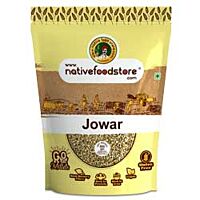
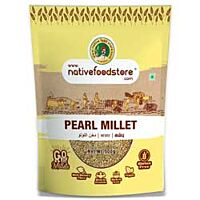
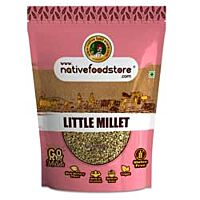

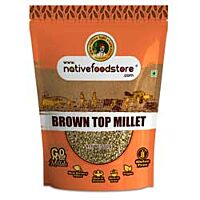






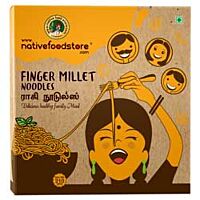


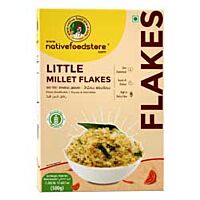

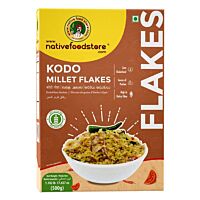

Millets
Millets are ancient Indian grains that have been part of everyday diets across regions for centuries. Traditionally valued for their resilience, digestibility and versatility, millets are used in home cooking as whole grains, flours, flakes and quick-cooking preparations. Today, they continue to support balanced, gluten-free and health-focused eating patterns in both traditional and modern kitchens.
What You’ll Find Here
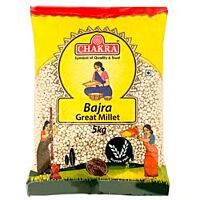
- Whole millets such as foxtail, pearl (bajra), finger (ragi), little, barnyard, kodo and browntop millet
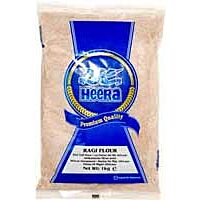
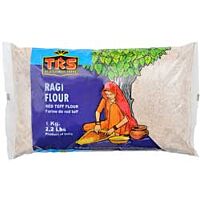
- Millet flours used for rotis, dosa batters, porridges and steamed dishes
- Millet flakes suitable for quick breakfasts and light savoury meals
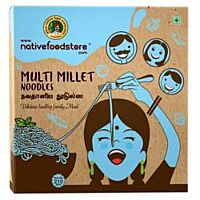
- Millet noodles commonly used in everyday stir-fried and Indo-Chinese style dishes
- Single-millet and mixed-millet preparations reflecting traditional Indian food habits
- Formats often chosen for gluten-free, fasting and nutrition-focused diets
How These Products Fit Into Daily Life
Across Indian households, millets are cooked as rice alternatives, ground into flour for flatbreads, or simmered into porridge-style dishes for breakfast and light meals. Certain varieties, such as barnyard and foxtail millet, are widely used during fasting periods, while others like ragi and bajra feature in regional staples prepared year-round. Their adaptability allows millets to move easily between traditional cooking and modern, time-efficient meals.
Everyday uses range from familiar preparations like dosa, kheer and poha to quick stir-fried meals using millet noodles. For a broader understanding of how different millets are used, see our introduction to millets, explore fasting-friendly grains in the barnyard millet guide, or browse practical dishes such as millet flakes poha and millets and fasting grains.
Why Customers Choose Ekirana
Ekirana curates millet products from established Indian producers with attention to grain integrity, clean processing and EU-compliant packaging. The selection reflects real household usage rather than trends, supporting customers across the Netherlands, Belgium, Germany, France and Luxembourg who seek dependable Indian pantry staples. As a family-run business serving Europe since 2012, Ekirana focuses on consistency, clarity and everyday usability.